


Metal Probe Reversing Radar
The function of reversing radar is to use ultrasonic to detect the obstacle behind the vehicle, and measure the distance and orientation of the obstacle, so as to achieve the purpose of reversing safely. So the number of probes is directly related to the accuracy of detection.
Product Introduction
Description
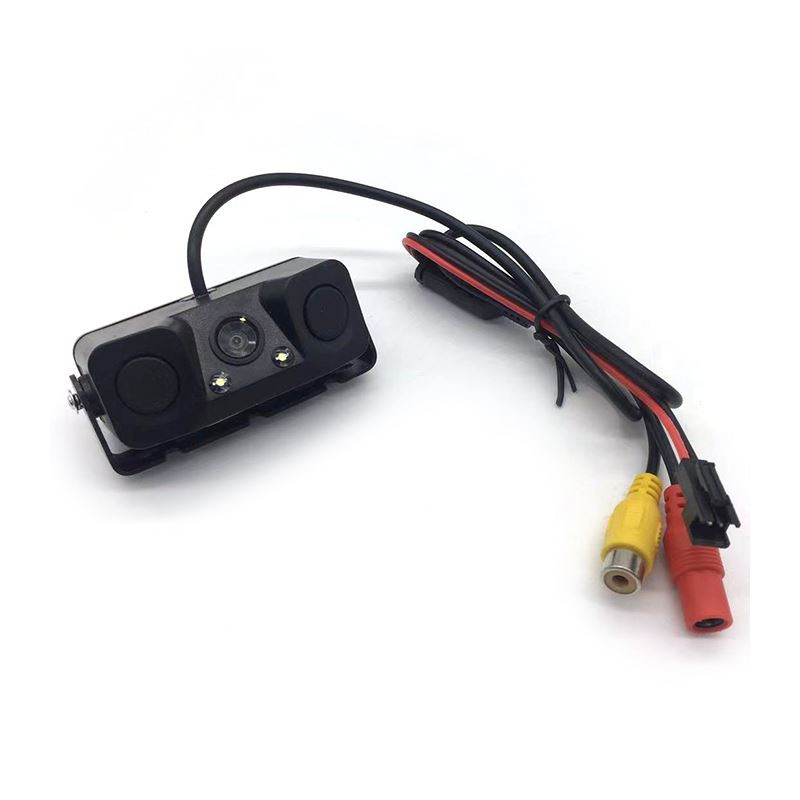
The Metal Probe Reversing Radar is also called “reversing anti-collision radar” or "parking assist device", which is a safety assist device for parking or reversing. It is composed of an ultrasonic sensor (commonly known as probe), controller, and display (or buzzer). It can inform the driver of the surrounding obstacles by sound or more intuitive display, solving the trouble caused in the process of parking, reversing, and starting the vehicle. It can help the driver eliminate the defects of the blind spot and blurred vision, and the safety of driving can be improved as well.
It is very easy to install the Metal Probe Reversing Radar because you just need to paste the probe in the appropriate position and you do not have to open your car body. The probe can be installed on the car tail or bumper. It can be installed in other places by the same method. The reversing radar is mainly installed on the instrument panel or rear mirror based on different vehicle types and driving technologies. The working principle of the reversing radar is to use ultrasonic to detect the obstacle behind the vehicle and measure the distance and orientation of the obstacle, so as to achieve the purpose of safe reversing. So the number of probes is directly related to the accuracy of detection.
Advantages
We have a competitive Metal Probe Reversing Radar price.
The workmanship is fine and the distance and alarm can be clearly displayed.
Multiple probes cover a large area and improve the accuracy.


Product Specification
Stainless steel motorcycle tail throat | Reversing radar |
The product application | General |
| Installation | Paste the type |
| Perforated mounting type |



You Might Also Like


Send Inquiry
