Why Choose Us?
Wide Market
The company is an international trading enterprise, the main auto accessories, the main export markets for South America, the Middle East, Southeast Asia, Africa, Europe and so on.
Professional Technical Team
Continue to strengthen the combination of incentive and constraint talent management mechanism, build an elite management team.
Reliable Product Quality
Strictly according to the standard or customer's special technical requirements to organize production, to provide customers with 100% qualified products.
Excellent Customer Service
Our company not only provides users with high quality and low price high-tech products, but also provides users with high quality and thoughtful pre-sale, sale and after-sales service.
What is Car Rear View Mirror?
A rear-view mirror (or rearview mirror) is a, usually flat, mirror in automobiles and other vehicles, designed to allow the driver to see rearward through the vehicle's rear window (rear windshield). In cars, the rear-view mirror is usually affixed to the top of the windshield on a double-swivel mount allowing it to be adjusted to suit the height and viewing angle of any driver and to swing harmlessly out of the way if impacted by a vehicle occupant in a collision.


Advantages of Car Rear View Mirror
Enhanced Safety
The rearview mirror helps drivers identify capability risks, which include motors coming near from behind or pedestrians crossing at the back of their car. This early caution permits drivers to react fast and avoid injuries.
Improved Maneuverability
When converting lanes, merging into visitors, or backing up, the rearview mirror gives treasured records approximately the location and velocity of automobiles in the place. This facilitates drivers to make secure and precise maneuvers without risking collisions.
Parking Assistance
When parallel parking or maneuvering in tight spaces, the rearview mirror permits drivers to gauge the space among their vehicles and barriers in the back of them. This helps prevent collisions and minimizes the chance of harm to the vehicle.
Reduced Blind Spots
By offering a wide-perspective view of the location at the back of the car, the rearview mirror facilitates lessening blind spots and improves typical visibility. This lets drivers hit upon cars or gadgets that can be obscured through the automobile’s frame or design.
Driver Confidence
Having a clear view through car privacy glass of the traffic behind them can raise motive force self-belief and decrease pressure at the same time as riding, mainly in congested or surprising regions. The rearview mirror affords drivers with vital information that enables them to make informed choices and navigate competently.
Types of Car Rear View Mirror
|
Type of Rear View Mirror |
Features |
Pros |
Cons |
|
Traditional Rear View Mirror |
Offers standard visibility, ideal for uncomplicated, straightforward driving situations. |
·Ideal for straightforward driving |
·Narrower field of view |
|
Convex Rear View Mirror |
Larger mirrors provide an extensive view of the area behind the vehicle, covers a broad length and width. |
Characterized by an outwardly curved surface, designed to provide a more comprehensive viewpoint, considered a great panoramic rear view mirror. |
·Wider field of view |
|
Overhead Rear View Mirror |
Larger mirrors provide an extensive view of the area behind the vehicle, cover a broad length and width. |
·Clear view of backseat passengers |
|
When Will I Need to Use My Car Rear View Mirrors on the Road?


Manoeuvres
Mirror - Signal - Manoeuvre is part of any driver's lexicon for good reason, as failing to check your mirrors before performing a manoeuvre can have disastrous consequences. The Highway Code highlights a few occasions when mirror usage is of the utmost importance:
When overtaking, check all mirrors, and pay particular attention to the offside mirror to make sure no one is planning to overtake you.
If you need to change lane, check all mirrors as well as your blind spot.
Check all mirrors when turning right or left.
Use mirrors at all stages when approaching and on a roundabout.
Mirrors also come into play whenever you're reversing—here, you should use all your mirrors before you start, and continue to check all around while reversing.
On motorways and dual carriageways
Though motorways and dual carriageways tend to consist of long stretches of straight road, mirror usage is no less important here. Firstly, you'll need to use both your interior and exterior mirrors when joining the motorway, as well as whenever you need to change lane. Additionally, you need to be conscious of the higher speeds present on motorways and dual carriageways, which often carry the national speed limit. This means that what's going on behind you can change in the blink of an eye—and makes regularly checking your mirrors vital.
Around other road users
It can be all too easy to forget that you're not only sharing the road with other car drivers, but with everyone from pedestrians and animals to buses and lorries. That's why there are specific rules regarding road users who require extra care, and—yep, you guessed it—your mirrors come into play here, too:
When passing large vehicles, you'll need to keep a close eye on both your interior and exterior mirrors. Note that the driver of a large vehicle may not be able to see you in their own mirrors, so give them time and room to turn if necessary.
Motorcyclists and cyclists require your attention on the road, too, as they may be difficult to spot and can weave in and out of traffic, especially in slower or stationary conditions. Keep checking your mirrors and blind spots carefully. You should also make sure that you keep checking your door mirror when overtaking a cyclist to ensure you don't collide with them or cut them off too closely. Be aware that, as your door mirror is convex, they'll be closer than they appear.
In inclement weather
Driving in poor weather conditions means taking greater care behind the wheel, with mirror usage a key part of this. Those driving in snowy or icy weather are advised to ensure their mirrors are clear and windows demisted before setting off. Meanwhile, drivers must check their mirrors and slow down before entering fog, as well as before decelerating while driving through fog.
When exiting your vehicle
This last one doesn't strictly relate to driving—but it's still an important one to note. When you're parked on the road, and are about to exit your car, check both your mirrors and blind spot to ensure no traffic is coming towards you. As an additional safety precaution, use the Dutch Reach: use the hand furthest from the door to open it, and check as you swivel around.
Source a Replacement Mirror
Usually, you cannot replace just the mirror glass; you must replace the entire unit. If your mirror uses auto-dimming glass or electrochromic technology, look for an OEE replacement mirror from your local car dealer. If your vehicle doesn’t use this technology, most generic rearview mirrors are compatible with different makes and models.
Remove Old Mirror
● Apply a small piece of masking tape on the exterior of the glass to mark the original mounting location.
● Unplug the wiring harness if the mirror uses one for an electronic compass or dimming feature.
● Remove the mirror from the glass-mounted hardware – look for a screw to remove or a clip to slide it off.
● Use a heat gun or blow dryer to soften the adhesive that holds the mounting hardware to the glass.
● Apply heat to the exterior of the windshield where the mirror hardware is mounted and gently wiggle the mount free. It’s best to have a helper heat the glass while you remove the hardware inside the vehicle. Note: Too much heat will break the windshield, so exercise caution.
● You may need to use a thin piece of piano wire or fishing line to break the bond between the glass and the mirror mount. Work the wire/line between the glass and the mirror mount using a flossing motion to break it free. Only apply force parallel to the glass, don’t try and tear the hardware off or it might bring a piece of glass with it.
Prep Surface
Remove old adhesive with a razor blade and glass cleaner or rubbing alcohol; be careful not to scratch the glass. Wipe the surface clean with a rag and glass cleaner and allow it to dry before proceeding. If your windshield replacement kit came with any cleaning or prep wipes, use them now.
Install the Mirror
● Not all kits are the same; follow the manufactures instructions closely.
● If the kit came with an activator, apply it to the windshield and the mounting hardware. Allow the activator to dry for a few minutes if needed.
● Apply the glue to the mirror mounting hardware, not the windshield itself. Use the tape you placed on the exterior of the windshield to find the original mounting location and install the mirror mount. Refer to the manufactures instructions for glue cure times.
● Once the glue is fully cured, install your new rearview mirror

The rearview mirror is a vital safety function in any vehicle, presenting drivers with a clear view of the location in the back of their automobile for safe navigation, lane modifications, and parking. However, if this mirror is missing or damaged, riding without it increases issues about legality and safety.
While some jurisdictions also permit driving without a middle mirror in car under particular conditions, it is typically risky and increases the chance of accidents. Without this crucial component, drivers lose essential situational attention, making it challenging to react to surrounding visitors successfully.
Therefore, it is recommended that your vehicle’s rearview mirror is unbroken, nicely installed, and often maintained to uphold protection standards on the street.
Tips for Adjusting Your Car Rear View Mirrors
Before you start adjusting your mirrors, sit in the driver’s seat and make sure you’re in a comfortable driving position. If necessary, adjust your seat so you can easily reach the gas pedal, brakes, gear shifter, and steering wheel.
To adjust your rear-view mirror, keep your head as stable as you can and manually move the mirror until you have a clear view that's centered and level. Many vehicle rear-view mirrors also have a tab you can adjust for nighttime driving.When you flip the tab in the opposite direction, you’ll notice that the reflection is dimmer, and it’s difficult to see anything besides headlights. This helps minimize glare, which can be especially helpful for people with astigmatism. Just put it back in daytime mode when you’re driving during the day. If your mirror doesn’t have this tab, your vehicle may have an auto-dimming feature.
Many newer vehicles have electronic controls with buttons that move the mirror up and down and side to side. These controls also have a switch that moves the control between the driver’s side and the passenger’s side mirror. Older vehicles may require you to make manual adjustments using a lever or by moving the mirror itself.
Start by leaning towards your left and resting your head on the driver’s side window. Look at the mirror and adjust it side-to-side so you can just barely see a sliver of the side of your vehicle. This will ensure you have the best possible view when you change lanes or merge. Then, adjust your mirror vertically so you have a clear view of the road behind you. Make sure you don’t see too much sky or too much road. Instead, try to position the mirror so you can see traffic clearly and see curbs while you’re parallel parking.
To adjust the passenger side mirror, lean to the right toward the center console. Then repeat the process above. If the controls are on the passenger side, you may need to have someone help you or move back and forth until the mirror is positioned correctly. When you’re done, double-check the adjustments you’ve made.
The viewing area or size of your rearview mirror directly impacts the field of view you possess over your surroundings. A larger mirror is tantamount to a larger view, which can significantly improve your awareness of what’s happening behind your vehicle.
When the goal is to choose the best rear view mirror, size becomes a significant factor. Larger mirrors, as seen in models like the traditional broad or wide-angle varieties, enhance the extent of visibility, providing a better grasp of your surrounding environment. Opting for a larger mirror also affects the degree of blind spot reduction, a crucial safety touchpoint.
However, it’s not just about grabbing the largest mirror possible. Vehicle compatibility, windshield size, and personal preference for visual space are all essential considerations. A colossal mirror in a small car could obstruct the front view, while a small mirror in a large SUV might prove inadequate for a sufficient rear view. Thus, finding the right balance is crucial when considering the size and viewing area of your rear view mirror.

Symptoms of a Bad Car Rear View Mirror
It is Cracked or Broken
If your rearview mirror has significant cracks, broke from the hinges, or is unable to be adjusted, it might be time to get it replaced. Some minor cracks may not be a huge deal that you will need to look into a replacement, unless it is extremely distracting. But major cracks that warp your vision are a good reason to get it replaced.
It is Stained or Unable To be Cleaned
The glass on your rear view mirror can get stained from many things. Maybe you washed it will a substance that isn't meant to clean mirrors, maybe some stubborn mold crept it's way to your mirror and won't come off. Sometimes, constant exposure to the sun can permanently discolor mirrors. No matter how it happened, it is probably very distracting and makes it hard to see. At that point, you should consider booking an appointment with one of our mobile mechanics before it causes an accident.
The Light Dimming Function Doesn't Work
Some modern cars have a rear view mirror function that will dim the reflection. This is very useful with night driving, if a car behind you has very bright headlights, it makes the driving experience much more comfortable. If this function stops working on your car, you should get the rear view mirror replaced. Not all cars have this function, so if you didn't use it often, you might not notice if it is malfunctioning. But if you have this function, you should get it fixed to improve your driving experience.
It is Missing
Of course, if your rear view mirror is completely disconnected or missing, you should get a new one installed immediately. You may think you don't need it because you have functioning side mirrors, but in order to get the full view around your car, you need all three mirrors.

Actually, your rear-view mirror is not just one mirrorit has two reflective surfaces. At the back is a regular, shiny mirror. Right in front of this primary mirror, however, is a thin, glass wedge which reflects only about four percent of the incoming light.
Imagine holding a plate of glass in front of a regular mirroryou'd still see your reflection in the mirror, but you'd also see a fainter reflection from the plate of glass. In a rear-view mirror, this glass surface is a wedge, pointing somewhat downward.
With the mirror in its normal position, the glass surface points down into the driver's seat. During the day you don't notice this faint reflection of your lap because the reflection from the main mirrorpointing out the rear windowis so much brighter.
When you flip the switch at night, you change the angle of the whole setup. Now the primary surface is pointing up at the dark ceiling of your car, and the glass wedge points out the rear window. You can still see the headlights behind you, but since the glass wedge only reflects a fraction of the light, they appear much dimmer.
4 Key Leadership Facts about the Car Rear View Mirror
It allows you to see where you have been
There is a big difference between the windshield and the rearview mirror. From a vision perspective; one shows where you are going and the other where you have been. Seeing behind you is important at times. It reminds you of good decisions and bad ones, and allows you to reflect on them. It is a reminder of past experiences. But remember, the past is just that; the past. It may have been a part of who you were, but doesn’t have to be a part of who you are. Lead with a vision of the future, not a re-living of the past.
It makes you aware of who and what is around you
It’s not good to focus on other people all the time but it wise to be aware. Driving is both offensive and defensive. You will be much safer when you realize where everyone is at that moment. When you are acutely aware of those around you, it gives a better understanding of the decisions they are about to make, giving you clarity about your own decisions. For some people, past performance can be a predictor of future results. When you fully understand each member of your team, it allows you to lead from a position of influence, not just authority.
You see things from a different perspective
If you only see one view of the road you may get tunnel vision. This is when you begin to acutely focus only on one thing, to the point that you lose perspective of all else around you. The rearview mirror gives a contrast to the windshield in that it kind of “wakes you up”. Looking at windshield and mirror at the same time keeps your mind sharper because you are constantly processing different information. As a leader it is easy to become so laser-focused on where you are going that you loose focus on those trying to keep up. Being keenly aware of all of the factors affecting your team allows you to make better decisions about the pace and direction of the organization.
It only gives a partial view
While the rearview mirror is helpful and needed, it still only allows you a partial view. Notice the size of the rearview mirror is small in relation to the size of the windshield. If you are driving on a highway and you want to change lanes, you need the rearview mirror, but that’s not all you need. It works best with the side mirrors and you own eyes. You can’t rely on it alone because it will leave “blind spots” that could cause you trouble. Use it but also use your own instincts, and the other information you have, to make right decisions.
Our Factory
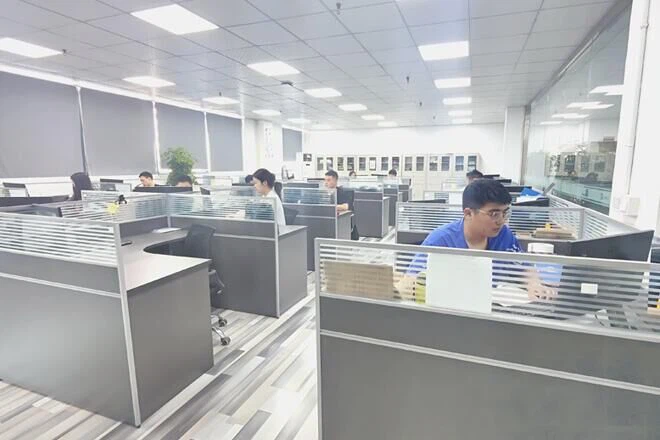
Sheng Ying Auto Accessory Co., Ltd. was established in 2010, the company is an international trading enterprise, the main auto accessories, the main export markets for South America, the Middle East, Southeast Asia, Africa, Europe and so on. Company existing staff 150 people, is equipped with the sales department, purchasing department, finance department, administration department, warehouse and other departments, the company adhere to the "people-oriented, pragmatic innovation" internal management philosophy, "honesty, mutual win-win" foreign business philosophy, advocating "respect for talent, men, use" principle of choose and employ persons, Continue to strengthen the combination of incentive and constraint talent management mechanism, build an elite management team.